
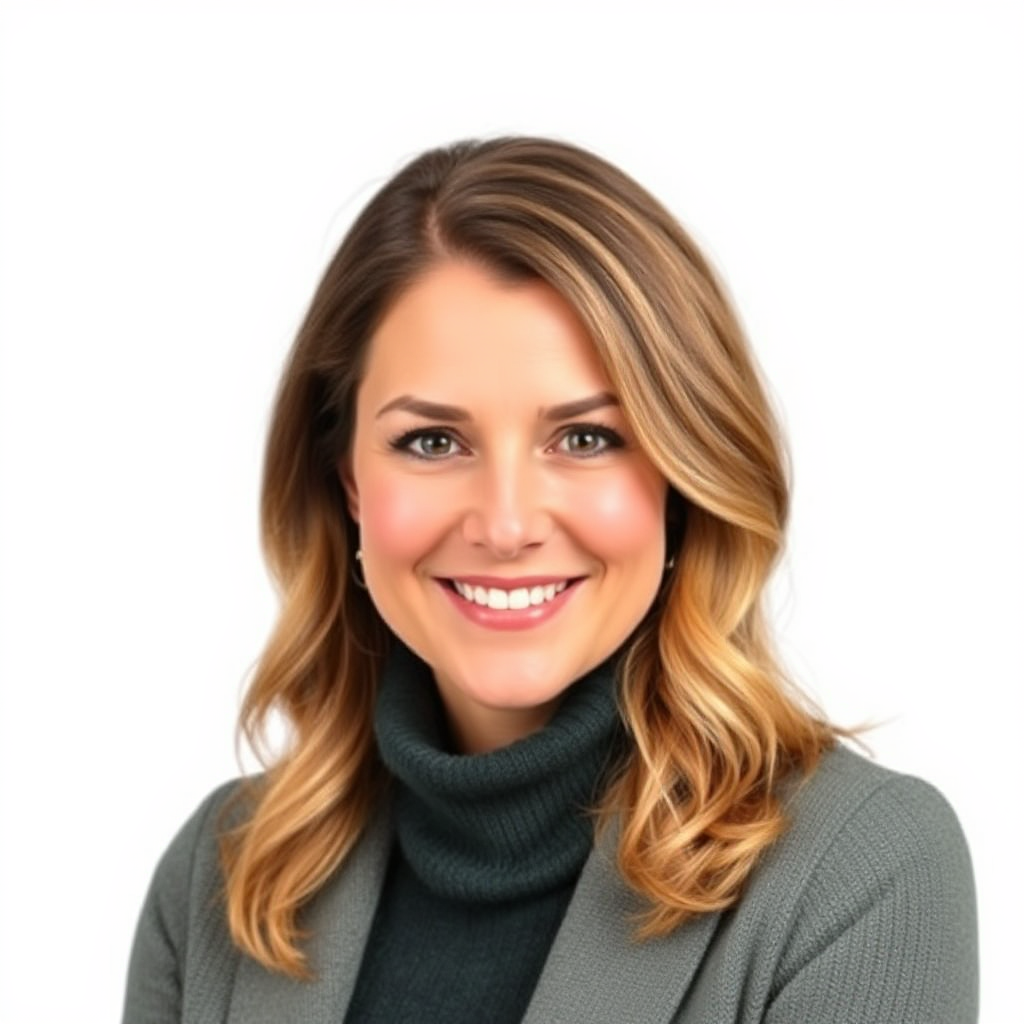
The performer joins the video call and at once starts an apology. “Oh my God – I’m sorry!” she states, sounding really apologetic. Despite being only a bit late, she feels compelled to justify. “My phone conversations always run long.” “Previous discussions went over, and I realized I talk too much!” Fortunately, for a writer, this is exactly what you want to experience. Besides, it’s quite expected. Anyone who have seen her unapologetically queer and unapologetically crass film Bottoms—which Sennott collaborated on with Emma Seligman and appeared in together with collaborator the talented actress—can already know that Sennott possesses much to say, be it about identity, intimacy, or the merits of starting a youth brawl society. Furthermore, by the end her new seasonal HBO series titled I Love LA, it becomes obvious that the star carries even more perspectives regarding the challenges of modern youth (Now in her thirties, she is a bridge to younger audiences, a tale-end millennial skilled for connecting both generations).
Guiding Lights and Creative Vision
Likenesses to Lena Dunham’s Girls are inevitable and Sennott is an admirer, citing the show in addition to Sex and the City, Insecure and Atlanta as influences for I Love LA, which details the journey of online personality played by Odessa A’Zion and close companion and fledgling representative Maia. Notably, the biggest presence on concept belonged to the popular sitcom, the show about an emerging A-list actor navigating in a gritty Hollywood (notable statement: “nobody’s happy in this town except for the losers”). Sennott discovered it during lockdown, became “hooked”, and resolved to add a fresh perspective on it “targeting women and LGBTQ+ viewers”.
“I wanted to make a show where the internet, not Hollywood, was the industry, because my career started online,” she explains. The concept for this project emerged—partly—from personal, at first rocky, relocation to Tinseltown and from her saturn return, a frequently discussed event for astrology heads. That period marked a phase that included her grasp major life lessons, work-wise and individually. “During my younger years, I was chaotic, often breaking down in public,” she recalls. “After relocating to Los Angeles in my mid-twenties, I found stability, only for things to crumble. “The struggles felt almost mythic in scale…”
Starting Out
Raised in Connecticut, the star began developing and showcasing stand-up while enrolled in acting at New York University (NYU) Tisch School of the Arts. “I went through all the proper channels to try to perform, and they weren’t gelling,” she says. “Auditions for university comedy troupes led to universal rejection. “Theatre productions at school also didn’t accept me. “It left me questioning my purpose and place.”
Sennott decided to act independently, taking the stage at open mics with her friend and sharing hysterical (and very) bizarre online content on the internet. A particular video, Baby Cult, depicted several females fetishistically drawn to pregnancy; a different one portrayed being employed at the brand Hollister as akin to being stuck in a scary movie. Interestingly, she encountered Seligman through NYU’s movie community and eventually appearing in her first film, titled Shiva Baby, a tense film set at a funeral gathering with shades of the intense thriller. The central motif of her path, she says, has been contemporaries giving her a shot, instead of traditional networks. Does that mean bypassing the usual powers? “Definitely not them”, she confirms, adding humorously: “Our victory isn’t their goal.”
Career Breakthrough
Anyone who had doubts regarding Sennott then will surely be regretting it now. As part of she describes as a “wild, full-circle” story, she has created an ideal role. Previously she posted content titled “it’s LA” online, in which she parodied film promos (“Substance abuse is rampant here”). Years later, she’s executive producer (with her partner) of a show about LA residents managing benefits of online celebrity (such as partying at Elijah Wood’s house) with downsides (your client being suspected of being a substance-abusing criminal, and potentially becoming a unreliable persona non grata). It would be simple to create a show about online fame that was horribly aspirational—or, more problematic, one that punched down at those depicted. The series avoids both, creating a representation of affluent twentysomething existence that’s candid about the mess and the shine.
Nuanced Portrayal
“Many programs portray youth and online life with disdain and mockery,” she observes. “I think that young people have been through a lot – I’m mostly thinking of people younger than me, like my little sister, who went to college during Covid, so she had to come home, or my other sister who was doing school online.”|“The younger generation has faced significant
